· RIGHT ACCORD Private Duty–Home Health Care · 4 min read
Hospital to Home: How Families Can Avoid Recovery Setbacks
Learn how to support a loved one’s safe recovery after a hospital stay. This guide outlines key steps to avoid complications, falls, and readmission during the transition home.
Bringing a loved one home after a hospital stay can feel like a relief, with familiar surroundings and a sense of normalcy returning. But for many families, this transition is also the most fragile part of recovery. The days and weeks immediately after discharge are when seniors are most at risk for complications, falls, medication errors, and even readmission.
The good news is that most recovery setbacks are preventable with the right preparation, support, and awareness. In this guide, we walk through what families should know during the hospital to home transition and share practical ways to help your loved one recover safely and confidently at home.
Why the Hospital to Home Transition Matters
Hospitals are designed for acute care, not long term recovery. Once a senior returns home, the responsibility for daily care often shifts quickly to family members, many of whom feel unprepared.
Common challenges after discharge include confusion about medications or follow up instructions, weakness and balance issues, fatigue and pain, changes in appetite or sleep, and emotional stress or anxiety.
Without proper support, these issues can lead to falls, infections, missed medications, or a return to the hospital. A smooth transition is not just about comfort. It is about safety.
The First 72 Hours: A Critical Window
The first few days at home are especially important. During this time, seniors are often still weak, adjusting to new medications, and learning new routines.
Families should focus on:
- Ensuring medications are taken correctly
- Monitoring pain, mobility, and mood
- Limiting unnecessary activity
- Keeping pathways clear and well lit
- Having someone present at all times
Even seniors who were previously independent may need temporary hands-on help during this period.
Preparing the Home Before Discharge
A safe recovery starts with a prepared home. Before your loved one returns, take time to make simple adjustments that can prevent injuries and stress.
Helpful steps include:
- Removing loose rugs and clutter
- Installing grab bars in bathrooms
- Ensuring beds and chairs are easy to get in and out of
- Placing frequently used items within reach
- Setting up a quiet, comfortable recovery area
These changes may seem small, but they can make a big difference in preventing falls and overexertion.
Medication Management: One of the Biggest Risks
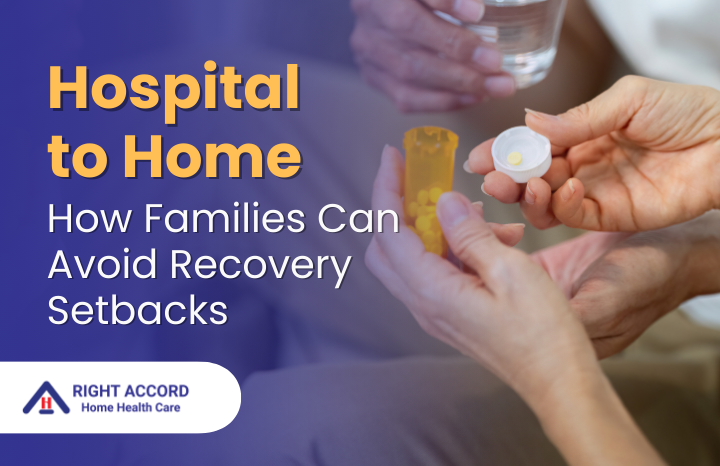
Medication changes are common after hospitalization, and confusion is one of the top reasons for recovery setbacks.
To reduce risk:
- Review discharge instructions carefully
- Keep an updated medication list
- Use pill organizers or reminders
- Watch for side effects such as dizziness or confusion
- Never assume old medications should continue without confirmation
When in doubt, ask questions. Clear communication can prevent serious complications.
Nutrition, Hydration, and Healing
Healing requires fuel. After a hospital stay, seniors may experience low appetite, nausea, or fatigue that makes eating difficult.
Support recovery by:
- Offering small, frequent meals
- Encouraging hydration throughout the day
- Following dietary recommendations from healthcare providers
- Watching for signs of dehydration or weight loss
Proper nutrition supports strength, immunity, and overall recovery.
Mobility and Fall Prevention
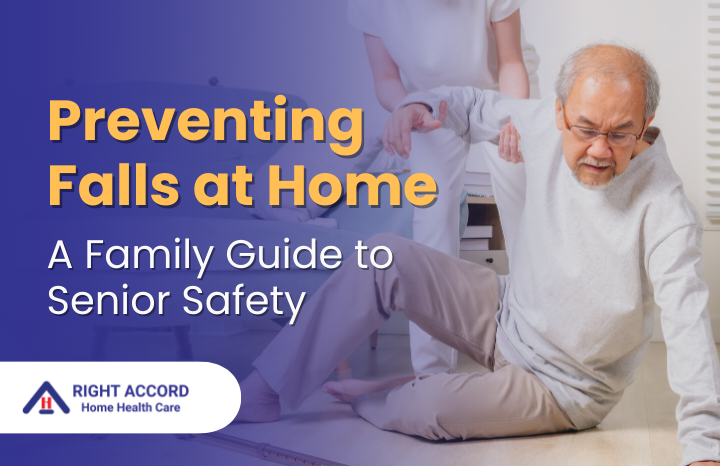
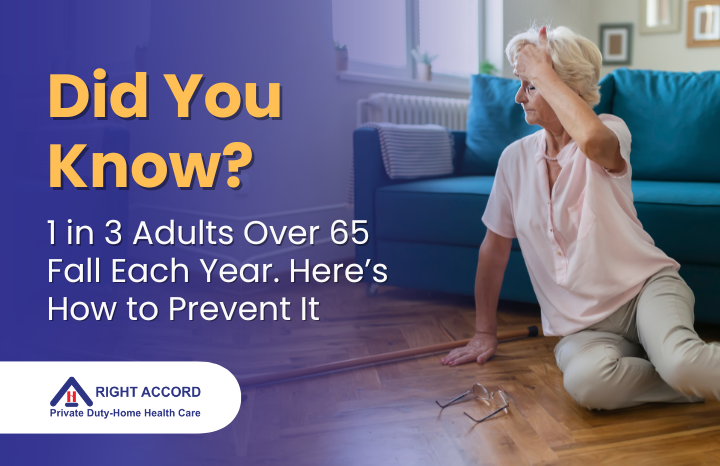
Weakness and balance issues are common after hospitalization, even if no surgery occurred. Many falls happen when seniors try to do too much too soon.
Families can help by:
- Encouraging slow, supervised movement
- Using mobility aids correctly
- Avoiding rushing or multitasking
- Keeping floors dry and clutter free
Fall prevention during recovery is essential, as one fall can significantly delay healing.
Emotional Recovery Matters Too
Physical healing is only part of the process. Many seniors feel anxious, frustrated, or discouraged after a hospital stay.
Signs of emotional strain may include:
- Withdrawal or irritability
- Fear of falling or moving
- Trouble sleeping
- Loss of confidence
Offering reassurance, patience, and companionship can go a long way. Emotional well-being plays a key role in physical recovery.
Knowing When Family Care Is Not Enough
Family members often step in with the best intentions, but recovery can be more demanding than expected, especially for those balancing work, children, or distance.
Professional home care can help by:
- Providing consistent supervision
- Assisting with daily activities
- Supporting safe mobility
- Monitoring changes in condition
- Giving families peace of mind
Having extra support does not mean you are doing less. It means you are doing what is best.
How RIGHT ACCORD Supports Safe Recovery at Home
At RIGHT ACCORD, we understand that recovery does not end at hospital discharge. Our experienced caregivers provide personalized support to help seniors heal safely and comfortably at home.
We focus on:
- Post hospital recovery support
- Fall prevention and safety monitoring
- Medication reminders
- Assistance with daily activities
- Compassionate, reliable care
We proudly serve Sarasota, Venice and Manatee County, helping families navigate recovery with confidence and peace of mind.
Final Thoughts
The transition from hospital to home is one of the most important phases of recovery. With preparation, awareness, and the right support, families can greatly reduce the risk of setbacks and help their loved ones heal safely.
You do not have to do it alone. The right care at the right time can make all the difference.
If your loved one is returning home from the hospital and needs extra support, RIGHT ACCORD is here to help.
Call us at 941-366-0801
Visit www.rightaccordhealth.com
Let us make recovery at home safer, smoother, and more reassuring for your whole family.