· 7 min read
How a Healthy Gut Helps You Age Better: What Everyone Should Know
Discover how gut health influences aging, immunity, inflammation, energy, mood, and overall wellbeing, plus simple, everyday habits to support a healthier, more vibrant life at any age.
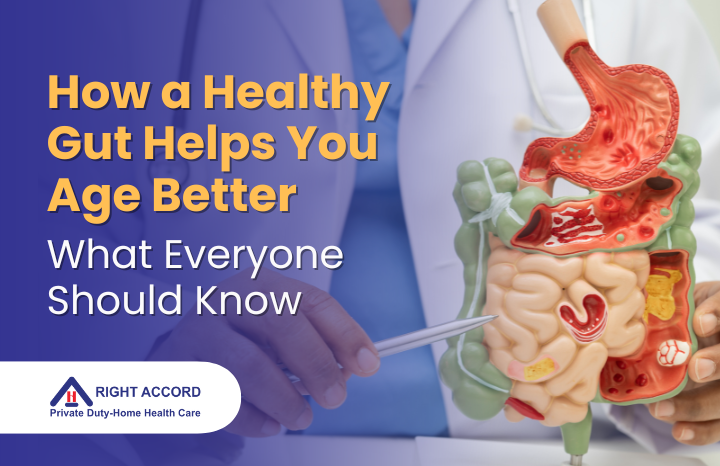
By: Rosemarie Tamunday Casanova
Most people think aging is all about wrinkles, stiff joints, or getting slower over time. But one of the biggest influences on how well we age actually begins in a place we don’t always talk about—our gut. Yes, the health of your digestive system plays a major role in how your body ages, how strong your immune system stays, how good your energy feels, and even how stable your mood is.
Gut health isn’t just a trending topic. It’s one of the most researched areas in health and longevity today. Scientists are now discovering that keeping your gut balanced may help you feel younger, stay active longer, and reduce the risk of many age-related diseases.
In this friendly guide, we’ll walk you through how your gut affects aging, the signs your gut may be struggling, and simple, everyday ways to support a healthier, younger-feeling you.
Why the Gut Matters More Than You Think
Your gut is more than a place where food is digested. It’s home to trillions of bacteria—good and bad—that work together to support almost every major function in your body.
These bacteria, collectively called the gut microbiome, influence:
- Your immune system
- How your body fights inflammation
- Nutrient absorption
- Hormone balance
- Mood and brain health
- Metabolism and weight
- Skin health
- Energy levels
If the microbiome is balanced, your body feels energized, strong, and youthful. If it’s out of balance, you may notice signs of aging happening more quickly.
Early Signs Your Liver Might Be Unhealthy
Below are the most common, noticeable symptoms that could mean your liver needs attention. These signs don’t automatically mean serious illness, but they are signals you shouldn’t ignore.
How Gut Health Influences the Aging Process
Let’s break down the link between gut health and aging in simple, clear terms.
1. Your Immune System Changes With Age
Around 70% of your immune system lives in your gut. As you get older, your immune responses naturally weaken. But when the gut is healthy, your immune defenses stay stronger.
A well-balanced gut can:
- Help your body fight infections
- Reduce inflammation
- Speed up healing
- Protect against chronic illnesses
A weak gut, on the other hand, may lead to slower recovery, frequent illnesses, and chronic inflammation—all of which speed up aging.
2. Gut Health Affects Inflammation
Inflammation is one of the biggest drivers of aging. It contributes to:
- Arthritis
- Heart problems
- Memory decline
- Diabetes
- Weight gain
- Skin aging (wrinkles, dryness, dullness)
A healthy gut keeps inflammation under control. But an unhealthy gut allows harmful bacteria to grow, causing inflammation that spreads throughout the body.
Scientists call this inflammaging—aging caused by chronic inflammation. And the gut is often at the center of it.
3. The Gut Affects Your Brain and Mood
Your gut and brain are connected through what’s known as the gut-brain axis. That’s why stress can upset your stomach and why gut problems can affect your mood.
A healthy gut helps:
- Improve mental clarity
- Reduce brain fog
- Support better memory
- Keep mood stable
- Reduce anxiety
Seniors with a balanced microbiome often notice sharper thinking and better emotional resilience.
4. Your Gut Controls Nutrient Absorption
Even if you’re eating healthy, your body can’t use the nutrients properly if your gut isn’t functioning well. And nutrient deficiencies speed up aging.
A strong gut helps absorb:
- Vitamins A, D, E, K (important for immunity and skin)
- B vitamins (energy and brain health)
- Minerals like magnesium and calcium
- Protein (muscle strength)
If the gut is weak, you may notice fatigue, weak muscles, fragile bones, dry skin, hair loss, or slow healing.
5. Gut Health Influences Skin Aging
Your skin often reflects what’s happening inside your gut. When your microbiome is imbalanced, toxins and inflammation can show up on your skin as:
- Wrinkles
- Eczema
- Acne
- Dryness
- Dull complexion
- Early aging signs
When the gut is healthy, the skin tends to look clearer, brighter, and more youthful.
6. Gut Problems Can Affect Energy and Sleep
A healthy gut supports stable energy because it helps manage blood sugar levels, digestion, and nutrient absorption. But when the gut is struggling, people often notice:
- Constant fatigue
- Trouble sleeping
- Low stamina
- Slow recovery from activity
Better gut health often leads to better sleep and a more energized body—no matter the age.
Signs Your Gut May Be Affecting Your Aging
If your gut isn’t happy, it often sends signals. Here are common signs:
- Frequent gas or bloating
- Irregular bowel habits
- Heartburn or indigestion
- Food sensitivities
- Unexplained fatigue
- Skin issues
- Poor sleep
- Frequent colds or infections
- Brain fog
- Joint pain
- Bad breath
- Mood swings or irritability
Even mild symptoms matter—your gut might be giving you an early warning.
How Your Gut Changes as You Get Older
Aging naturally affects your microbiome. As you get older:
- Your good bacteria decrease
- Your bad bacteria increase
- Your digestive system slows down
- Stomach acid levels drop
- Medication use rises
- You become less tolerant of certain foods
This shift in bacteria makes seniors more vulnerable to inflammation, infections, and chronic conditions.
But the good news? You can restore and support your gut health at any age.
How to Support a Healthy Gut for Better Aging
Here are simple, practical habits that can make a big difference.
1. Eat Fiber-Rich Foods
The good bacteria in your gut love fiber. Feeding them the right food keeps your gut strong.
Great fiber-rich options:
- Leafy greens
- Oats
- Berries
- Apples
- Beans
- Nuts and seeds
- Whole grains
Aim to include fiber in every meal.
2. Add More Fermented Foods
Fermented foods contain natural probiotics that boost gut bacteria.
Examples:
- Yogurt
- Kefir
- Kimchi
- Sauerkraut
- Kombucha
- Miso
A small amount daily can make a big impact.
3. Reduce Sugary and Processed Foods
Too much sugar feeds bad bacteria and increases inflammation. Processed foods slow digestion and irritate the gut.
Swap sugary snacks for:
- Fruits
- Nuts
- Yogurt
- Dark chocolate (in moderation)
4. Drink Plenty of Water
Your gut needs hydration to move food smoothly and prevent constipation. Water also helps your body flush out toxins.
5. Manage Stress
Stress affects your gut bacteria more than most people realize.
Simple ways to lower stress:
- Deep breathing
- Walking
- Meditation
- Spending time with loved ones
- Gentle stretching
- Listening to music
Even just 10 minutes a day helps.
6. Get Enough Sleep
Poor sleep affects your microbiome, your mood, and your immune system. Aim for 7–8 hours of restful sleep.
7. Move Your Body Daily
Movement supports digestion and keeps the microbiome diverse.
You don’t need intense workouts—simple daily activities help:
- Walking
- Light stretching
- Yoga
- Gardening
- Dancing at home
8. Be Careful With Medications
Some medications can disrupt your gut bacteria, especially antibiotics, antacids, and pain relievers.
Never stop medication without a doctor’s advice, but stay mindful of long-term use.
9. Consider Probiotics and Prebiotics
Probiotics add good bacteria, while prebiotics feed them.
Common probiotic supplements contain strains like:
- Lactobacillus
- Bifidobacterium
Prebiotics include foods like bananas, garlic, onions, oats, apples, and asparagus.
Ask your doctor before starting supplements—especially for older adults.
Gut Health Tips for Seniors
If you’re caring for an aging loved one, pay close attention to gut-related changes. Seniors often experience:
- Slower digestion
- Dehydration
- Medication side effects
- Loss of appetite
- Constipation
- Weaker immune system
Small daily habits can help them age more comfortably and stay independent longer.
When to See a Doctor
Seek medical advice if you or a loved one experiences:
- Persistent stomach pain
- Long-term constipation or diarrhea
- Blood in stools
- Ongoing bloating
- Rapid weight loss
- Severe fatigue
- Frequent infections
- Sudden confusion
These may be signs of gut-related disease or digestive issues needing attention.
A Healthy Gut Supports a Healthier, Longer Life
Aging is natural, but how we age is influenced by many choices we make every day. Your gut is one of the most powerful tools you have for aging well—with more energy, a stronger body, better mood, and clearer thinking.
By supporting your gut with simple daily habits, you help your entire body function at its best. And the best part? You can improve your gut health at any age.
Taking care of your gut is truly taking care of your future.
If you’re looking for support for a loved one who may be experiencing digestive changes or challenges with aging, RIGHT ACCORD is here to help. Our dedicated caregivers provide compassionate in-home assistance across Sarasota, Venice, Manatee, Lee, and Charlotte Counties, ensuring seniors stay healthy, comfortable, and supported every day.
📞 Call us at 941-366-0801
🌐 Visit: www.rightaccordhealth.com
Let’s help your loved ones age with comfort, confidence, and care.